Monday, 22 January 2018

‘Short, sharp shock’ ruined my life: Abuse victims describe brutal reality of youth detention centres under Thatcher

Margaret Thatcher’s authorities rode into workplace on the again of a manifesto that promised to battle crime by giving younger offenders a “brief, sharp shock” at detention centres.

Ministers claimed army-style self-discipline would deter kids from a lifetime of crime, however the boys who lived by means of the brutal regime the coverage impressed by means of the late 1970s and 1980s inform a really completely different story.

It’s considered one of beatings, humiliation and sexual assault at “sadistic, brutal focus camps”, with some youngsters pushed to suicide and others saying the trauma sparked a worsening cycle of violence and habit.

“We have been bodily abused every day, it was a time once I believed they might kill me,” mentioned Keith, who was imprisoned on the age of 14.

Dozens of victims are calling for a public inquiry into the abuse as police examine allegations regarding Medomsley Detention Centre in County Durham and Kirklevington Detention Centre in North Yorkshire, the place over 400 victims have already come ahead.

However the scale of the abuse is much wider in response to males who’ve instructed The Impartial of their therapy at centres as far aside as Kent, Lincolnshire and Gloucestershire.

James Carré-Rice mentioned he “spiralled into violence” after being held at Whatton Detention Centre in Nottinghamshire and went on to serve three extra sentences.

“Once I acquired to reception one of many officers got here out and requested me my identify, he appeared fairly pleasant,” he mentioned.

“I mentioned it was Jimmy and he punched me within the face and mentioned: ‘It’s a must to name me Sir’.

“It was terrifying for everyone. They have been grown males, they didn’t like us.

margaret-thatcher-1.jpg
Margaret Thatcher’s authorities introduced within the brief, sharp shock regime within the perception it could scale back reoffending (Getty)
“We weren’t doing something incorrect however each considered one of us was crushed, punished, humiliated.”

Mr Carré-Rice, who has since written books primarily based on his experiences, mentioned the abuse gave the impression to be “random”.

He was 15 on the time and described different kids within the centre crying at evening, including: “The way in which they have been handled was out of all proportion to what they’d finished incorrect and it despatched them the incorrect approach.

“I can bear in mind them drumming into your head that you simply have been scum, you have been nugatory, you have been ineffective, a failure to society. It’s tough to shake these labels off.”

Considered one of Mr Carré-Rice’s faculty mates was imprisoned throughout the identical centre, being severely crushed by officers who caught him dancing in a hall. Inside a month of his launch, the boy hung himself.

He mentioned the concept of disciplining youngsters utilizing violence just like the “brief, sharp shock” would by no means work, including: “When you have a system like that, you’re reinforcing cycles of behaviour that you simply’ll by no means get out of… nobody thought it by means of.

“I feel the workers thought they have been doing their obligation for king and nation however there have been no parameters or system of management.”

Mr Carré-Rice’s good friend was not the one inmate to die after leaving a Thatcherite detention centre.

Paul, who didn’t need his second identify talked about, noticed his brother change into hooked on heroin and die of an overdose after he emerged “damaged” from a centre in Kent.

Mark was wrongfully convicted for attacking a person with a bottle, regardless of the true perpetrator confessing to police, after which “punished” for making an attempt an attraction, his brother mentioned.

“He instructed me of getting to face bare for over 24 hours in a spot the place workers and others have been passing,” the 64-year-old added.

“He mentioned he had chilly water thrown over him they usually have been at all times crushed up.”

In a sample described by victims throughout the nation, officers would hit Mark if he addressed them with out calling them “sir”.

His brother believes he was sexually abused, with him referring to some abuse as “too unhealthy to speak about”.

“That they had the impression this was authorised by Maggie Thatcher, as in the event that they have been on direct orders from the Prime Minister to hold out this abuse,” Paul added. “He hadn’t finished something incorrect. It simply broke him, it broke his spirit.”

Mark tried to return to work as a carpenter when he was launched after 4 months however rapidly developed a heroin behavior and died on the age of 23.

Boys imprisoned at Kirklevington Detention Centre in contrast the regime to a “sadistic, brutal focus camp”.

Keith arrived there on the age of 14 along with his brother and mentioned he suffered violent bodily abuse from the second he handed by means of the gates.

He and one other boy tried to flee the centre however have been caught, being “crushed and dragged down the corridors” earlier than being put in solitary confinement.
hmp-kirklevington-grange.jpg
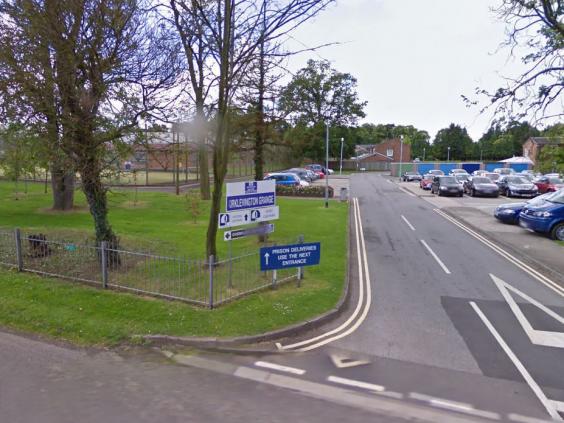
HMP Kirklevington (Google Avenue View)

“We have been bodily abused every day, it was a time once I believed they might kill me,” mentioned Keith.

“The workers on this place have been simply sadistic and appeared to get pleasure from abusing younger boys… we have been all made to intentionally go hungry and purposely served small parts of meals, all letters to household have been censored and dictated within the eating corridor.”

Removed from “deterring criminals” – the Tory authorities’s said intention – Keith mentioned the expertise left him with a lifelong hatred for authority, including: “I at all times noticed them because the enemy. I went on to spend most of my life out and in of prisons.”

He ended his final sentence 18 years in the past and now has a steady life working his personal enterprise, however believes that his path would have been completely different if he had not been abused.

“I felt that if I used to be handled humanely then maybe I might have had a a lot better probability,” he added.

“What occurred in Kirklevington was an absolute shame and tragic for a lot of. I really feel that they merely ripped out my spirit and turned me into an anti-authoritarian legal.”

Lee, who was incarcerated at Eastwood Park, Gloucestershire, in 1986, mentioned the “horrific” expertise has contributed to life-long psychological sickness.

“There isn’t any doubt that after over 30 years of being held there, the emotional scars are nonetheless there from my expertise and can stick with me without end,” he mentioned.

Lee, now 47, mentioned he and the 2 different boys he arrived with have been made to strip bare by two guards sitting behind a desk.

“We have been made to face there for what felt like hours whereas they simply stared at us and hurled verbal abuse,” he recalled.

“For the entire time I used to be there, it was waves and waves of verbal and bodily abuse.

“If I wasn’t been sworn at for no motive in any respect, I used to be both pushed, punched or kicked, this might have been for one thing so simple as not having my sleeves rolled up correctly or what was perceived to be uncombed hair.
willie-whitelaw.jpg
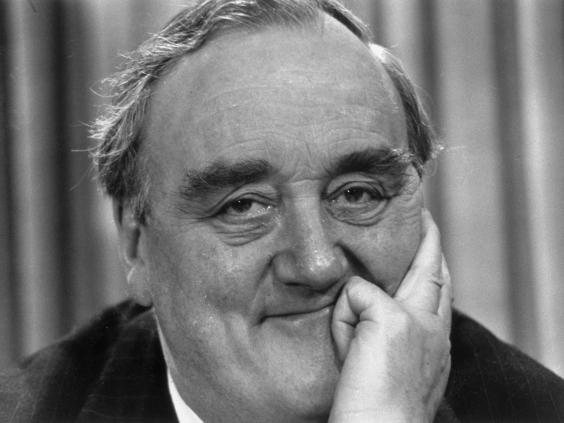
William Whitelaw, Margaret Thatcher’s Residence Secretary, turned identified for implementing the ‘brief, sharp shock’ coverage (Hulton Archive)
“All through the nights there could be fixed banging noises or guards in tremendous vocal type over the PA system and even kicking cell doorways loudly, something to maintain waking us up and customarily having damaged sleep.”

Lee mentioned the youngsters have been woken up at 5am each morning, with “uncomfortable and intimidating” guards watching them bathe.

David Greenwood, the top of kid abuse at Switalskis Solicitors, is representing dozens of claimants who suffered in youth detention centres.

He mentioned there was a “very particular hyperlink” between the abuse and the Thatcherite brief, sharp shock coverage.

“These guards got the inexperienced mild to assault detainees and there have been no questions requested,” he mentioned.

“When boys did make complaints after they have been launched, they have been ignored.”

Mr Greenwood mentioned that though he has been contacted by some males who didn’t reoffend after being launched, they have been within the minority.

“Most have been in for misdemeanours like theft or receiving stolen items – stuff you would by no means ship individuals to youth detention centre for these days,” he added.

“The bulk have their lives despatched down the opposite path with this sort of therapy, particularly with sexual abuse as properly.”

HM Jail and Probation Service (HMPPS) mentioned the allegations could be lined by the continuing Impartial Inquiry into Youngster Sexual Abuse.

A HMPPS spokesperson mentioned: “There’s already an onquiry trying into these allegations, which is a part of the IICSA.

“The allegations of abuse by former members of workers at Medomsley Detention Centre are topic to an ongoing police investigation, subsequently it could be inappropriate to remark additional.”

Source

‘Short, sharp shock’ ruined my life: Abuse victims describe brutal reality of youth detention centres under Thatcher

Former inmates say their lives spiralled into violence and addiction because of trauma from ‘sadistic, brutal concentration camps’ 

 ‘What happened was an absolute disgrace and tragic for many,’ says one former detainee. ‘I feel that they simply ripped out my spirit and turned me into an anti-authoritarian criminal’ Getty

Margaret Thatcher’s government rode into office on the back of a manifesto that promised to fight crime by giving young offenders a “short, sharp shock” at detention centres.

Ministers claimed army-style discipline would deter youngsters from a life of crime, but the boys who lived through the brutal regime the policy inspired through the late 1970s and 1980s tell a very different story.

It is one of beatings, humiliation and sexual assault at “sadistic, brutal concentration camps”, with some teenagers driven to suicide and others saying the trauma sparked a worsening cycle of violence and addiction.


“We were physically abused on a daily basis, it was a time when I believed they would kill me,” said Keith, who was imprisoned at the age of 14.

Dozens of victims are calling for a public inquiry into the abuse as police investigate allegations relating to Medomsley Detention Centre in County Durham and Kirklevington Detention Centre in North Yorkshire, where over 400 victims have already come forward.

But the scale of the abuse is far wider according to men who have told The Independent of their treatment at centres as far apart as Kent, Lincolnshire and Gloucestershire.

James Carré-Rice said he “spiralled into violence” after being held at Whatton Detention Centre in Nottinghamshire and went on to serve three more sentences.

“When I got to reception one of the officers came out and asked me my name, he seemed quite friendly,” he said.

“I said it was Jimmy and he punched me in the face and said: ‘You have to call me Sir’.
“It was terrifying for everybody. They were grown men, they didn’t like us.

Margaret Thatcher’s government brought in the short, sharp shock regime in the belief it would reduce reoffending (Getty)

“We weren’t doing anything wrong but every one of us was beaten, punished, humiliated.”

Mr Carré-Rice, who has since written books based on his experiences, said the abuse appeared to be “random”.

He was 15 at the time and described other children in the centre crying at night, adding: “The way they were treated was out of all proportion to what they had done wrong and it sent them the wrong way.

“I can remember them drumming into your head that you were scum, you were worthless, you were useless, a failure to society. It’s difficult to shake those labels off.”

One of Mr Carré-Rice’s school friends was imprisoned during the same centre, being severely beaten by officers who caught him dancing in a corridor. Within a month of his release, the boy hung himself.

He said the idea of disciplining teenagers using violence like the “short, sharp shock” would never work, adding: “If you have a system like that, you’re reinforcing cycles of behaviour that you’ll never get out of… no one thought it through.

“I think the staff thought they were doing their duty for king and country but there were no parameters or system of control.”

Mr Carré-Rice’s friend was not the only inmate to die after leaving a Thatcherite detention centre.

Paul, who did not want his second name mentioned, saw his brother become addicted to heroin and die of an overdose after he emerged “broken” from a centre in Kent.

Mark was wrongfully convicted for attacking a man with a bottle, despite the real culprit confessing to police, and then “punished” for attempting an appeal, his brother said.

Source


Tuesday, 16 January 2018

Seven former Medomsley prison, in Consett, officers in court charged with abusing teenage inmates

Seven former Medomsley prison, in Consett, officers in court charged with abusing teenage inmates

Neil Hunter Crime Correspondent
  SEVEN former prison officers who worked at a detention centre appeared in court today charged with abusing teenage inmates in the 1970s and 1980s.

The ex-staff members who worked at Medomsley Detention Centre in Consett, County Durham, were at Teesside Crown Court for an unusual hearing.

Dozens of alleged victims were in court, and a court room next door had to be used to house the others - with a live video-link relaying proceedings.

None of the accused - who are now all in their 60s and 70s - entered pleas to the allegations they face, and dates for fresh hearings were set.

The charges are the result of one of the country's biggest inquiries into sexual and physical abuse - Operation Seabrook, which was launched in August 2013.

All the former prison officers are charged with misconduct in a public office and physical abuse. Four of them are also charged with sex offences.

The defendants are:
  • Kevin Blakey, 65, charged with two counts of misconduct, two counts of wounding and two of assault.
  • Alan Bramley, 69, charged with misconduct, wounding and two counts of assault.
  • Johnson Brian Greenwell, 70, charged with misconduct, false imprisonment, two counts of assault and a further count of committing a serious sexual offence.
  • David McClure, 62, charged with misconduct, wounding and four counts of assault.
  • John McGee, 73, charged with misconduct, four counts of assault, two counts of indecent assault, wounding and a further count of committing a serious sexual offence.
  • Christopher Onslow, 71, charged with two counts of misconduct, two of buggery without consent, two counts of wounding, two counts of wounding with intent, three counts of assault and one of indecent assault.
  • Neil Sowerby, 60, charged with misconduct, two counts of assault, four counts of indecent assault and three counts of committing a serious sexual offence.
Their addresses cannot be reported for legal reasons, and none of the alleged victims can be identified.

The detention centre, which was closed in 1988, was used for teenage offenders who often had committed minor crimes. They were usually held there for six to eight weeks.

Almost 1,500 former detainees claimed they were abused at the young offenders' institution.

Prosecutor Jamie Hill, QC, told Judge Howard Crowson during the hour-long hearing that the expected trial would last between 12 and 14 weeks.

Mr Hill said there will be around 15,000 pages of material linked to the case, along with 235 witnesses - 70 of whom are likely to be complainants.

"This is a police investigation which has lasted approximately four years, and the police have had over 1,400 complaints relating to events at Medomsley, principally in the 70s and 80s," said Mr Hill.

"The way the indictment is drafted, and there are 49 counts for these seven defendants, there are individual charges highlighting the most serious allegations against them and a small handful of common complaints.

"It is conceded this is a large case . . . [but] this is a huge distillation of the case. This case will have evidence from roughly 70 of the 1,400-plus complainants.

"Our current time estimate for these seven is approximately 12 to 14 weeks, taking into account prosecution evidence, defence evidence, speeches and summing up."

A provisional date for the trial to start - as all the men are expected to plead not guilty at some stage - was set by Judge Crowson for September 3.

The defendants were all released on bail.

Source

Friday, 12 January 2018

Durham Constabularies ***Warning*** Dated 8th Jan Recieved 12 Jan 2018

 We would direct you to this page where you will find we had already warned victims of this as early as the 4th Dec 2017 Here

Monday, 8 January 2018

Hundreds of boys 'tortured' at youth detention centres in 1970s and 1980s


Hundreds of boys say they were subjected to sexual and physical abuse amounting to “torture” in youth detention centres, sparking calls for a public inquiry.

A lawyer representing the alleged victims said they had been raped, beaten and sexually assaulted during the 1970s and 1980s.

David Greenwood, the head of child abuse at Switalskis Solicitors, said he was already representing more than 400 men and being “approached constantly” by new claimants.

“Clients I’ve spoken to have said it was like torture – they were locked up and couldn’t get away,” he told The Independent.

“Most of them say it made them anti-authority, they felt as though they couldn’t trust people.
“For boys in for stealing to be subjected to this indiscriminate violence was a shock, and I say it was unlawful.

“It made boys who had obviously done wrong in some respect into boys who were worse, and ended up in violence.”


Former inmates at Eastwood Park Detention Centre in Gloucestershire have told Mr Greenwood they were punched if they did not answer officers’ responses with “Sir”.

Others described being regularly hit “for the slightest misdemeanour”, being whipped with rubber pipes, forced to perform extreme exercise, have cold showers and were made to crouch in stress positions without chairs.

Noel Smith, who was imprisoned in a detention centre aged 15 after stealing a motorbike, said his three-month ordeal in 1976 drove his descent into more serious offences including bank robbery.

The 57-year-old recalled being punched to the floor by one officer while still at court, then smacked on the other side of his head by another, even before being taken to the institution.

“When we arrived we had to run the gauntlet past the screws,” he added. “We were kicked, punched and had our ears pulled. Someone poked their finger in my eye.

“Once we were inside, we were stripped and stood in the reception naked while everybody went about their business around us and staff made disparaging remarks. It frightened the life out of us.”

Mr Smith said there were “beatings from start to finish” of his imprisonment, seeing guards drag inmates out of their chairs by their sideburns and grab them by the scrotum while smiling.

Now an author and commissioning editor of Inside Time, a prisoners’ newspaper, Mr Smith said: “It made me bitter and twisted, it was one humiliation after another.

“It turned us into hardened criminals. I went in for stealing a motorbike, and six months later I was appearing in court for armed robbery and possession of firearms… common sense should have told you then that brutalising kids would have an adverse effect.”

Police are already investigating allegations relating to Medomsley Detention Centre in County Durham and Kirklevington Detention Centre in North Yorkshire, where more than 400 victims have already come forward.

But Mr Greenwood said the scale of abuse is “most definitely wider”.

“It was an institutional problem that seemed to have been taking place at all these detention centres at that time,” he added.

When asked what kind of sexual assaults his clients told him took place in the centres, Mr Greenwood listed them as “rape, indecent assault and oral sex”.

Some of the alleged abuse has been attributed to policies brought in by Margaret Thatcher’s government, including Home Secretary Willie Whitelaw’s ‘short, sharp shock’ initiative.

The policy saw young offenders detained in secure units and subjected to quasi-military discipline, despite the fact there was no evidence it would deter them from reoffending.

“There is a common pattern of random beatings and being put into stress positions as part of the ‘short, sharp shock’ programme between the mid-1970s and 1980s,” Mr Greenwood said.

“The idea was perhaps taken too far, perhaps the training they were given was taken beyond the realm of legality. We need an inquiry to work out who was authorising this type of behaviour.”

Professor David Wilson, a criminologist who was governor of a progressive young offenders’ institution in the 1980s, said detention centres were run to deliberately put inmates under psychological and physical stress.

“That line between putting someone under stress and simply brutalising them seemed to never be clearly enough drawn,” he added.

“The ‘short, sharp shock’ was clearly going to be interpreted by some members of staff in ways that would lead to abuse.”

Victims are calling for a new public inquiry to be opened into the treatment of young male convicts at all detention centres in Britain.

HM Prison and Probation Service (HMPPS) claimed the allegations would be covered by the ongoing Independent Inquiry into Child Sexual Abuse, but critics argue its remit is not wide enough to fully address the new allegations.

Mr Greenwood argued the current inquiry does not specifically address physical abuse, and its scope is also limited by ongoing criminal proceedings. “We’re hoping that the Home Secretary will look at this again and think about a proper public inquiry,” he added.

A HMPPS spokesperson said: “There is already an inquiry looking into these allegations, which is part of the Independent Inquiry into Child Sexual Abuse.

“The allegations of abuse by former members of staff at Medomsley Detention Centre are subject to an ongoing police investigation, therefore it would be inappropriate to comment further.”

If you experienced abuse in youth detention centres and would like to discuss your experience anonymously, please lizzie.dearden

Source

Friday, 5 January 2018

Hundreds of boys ‘tortured’ at youth detention centres in 1970s and 1980s

A whole bunch of boys say they had been subjected to sexual and bodily abuse amounting to “torture” in youth detention centres, sparking requires a public inquiry.

A lawyer representing the alleged victims mentioned they’d been raped, overwhelmed, sexually assaulted and compelled to carry out oral intercourse in the course of the 1970s and 1980s.

David Greenwood, the pinnacle of kid abuse at Switalskis Solicitors, mentioned he was already representing greater than 400 males and being “approached consistently” by new claimants.

“Shoppers I’ve spoken to have mentioned it was like torture – they had been locked up and couldn’t get away,” he instructed The Impartial.

“Most of them say it made them anti-authority, they felt as if they couldn’t belief individuals.

“For boys in for stealing to be subjected to this indiscriminate violence was a shock, and I say it was illegal.

“It made boys who had clearly finished incorrect in some respect into boys who had been worse, and ended up in violence.”

Former inmates at Eastwood Park Detention Centre in Gloucestershire have instructed Mr Greenwood they had been punched if they didn’t reply officer’s responses with “Sir”.

Others described being recurrently hit “for the slightest misdemeanour”, whipped with rubber pipes, pressured to carry out excessive train, have chilly showers and made to crouch in stress positions with out chairs.

The abuse got here throughout a coverage launched by the Thatcher authorities known as Quick Sharp Shock for younger offender

Noel Smith, who was imprisoned in a detention centre aged 15 after stealing a motorcycle, mentioned his three-month ordeal in 1976 drove his descent into extra critical offences together with financial institution theft.

The 57-year-old recalled being punched to the ground by one officer whereas nonetheless at court docket, then smacked on the opposite aspect of his head by one other, even earlier than being taken to the establishment.

“After we arrived we needed to run the gauntlet previous the screws,” he added. “We had been kicked, punched and had our ears pulled. Somebody poked their finger in my eye.

“As soon as we had been inside, we had been stripped and stood within the reception bare whereas everyone went about their enterprise round us and workers made disparaging remarks. It frightened the life out of us.”

Mr Smith mentioned there have been “beatings from begin to end” of his imprisonment, seeing guards drag inmates out of their chairs by their sideburns and seize them by the scrotum whereas smiling.

Now an writer and commissioning editor of Inside Time prisoners’ newspaper, Mr Smith mentioned: “It made me bitter and twisted, it was one humiliation after one other.

”It turned us into hardened criminals. I went in for stealing a motorcycle and 6 months later I used to be showing in court docket for armed theft and possession of firearms…frequent sense ought to have instructed you then that brutalising children would have an antagonistic impact.”

Police are already investigating allegations regarding Medomsley Detention Centre in County Durham and Kirklevington Detention Centre in North Yorkshire, the place over 400 victims have already come ahead.

However Mr Greenwood mentioned the size of abuse is “most undoubtedly wider”.

“It was an institutional drawback that appeared to have been going down in any respect these detention centres at the moment,” he added.

Among the alleged abuse has been attributed to insurance policies introduced in by Margaret Thatcher’s authorities, together with House Secretary Willie Whitelaw’s Quick Sharp Shock initiative.

It noticed younger offenders detained in safe items and subjected to quasi-military self-discipline, regardless of the very fact there was no proof it might deter them from reoffending.

“There’s a frequent sample of random beating and being put into stress positions as a part of the Quick Sharp Shock programme between the mid-1970s and 80s,” Mr Greenwood mentioned.

“The thought was maybe taken too far, maybe the coaching they got was taken past the realm of legality. We’d like an inquiry to work out who was authorising such a behaviour.”

Professor David Wilson, a criminologist who was governor of a progressive younger offenders’ establishment within the 1980s, mentioned detention centres had been run to intentionally put inmates underneath psychological and bodily stress.

“That line between placing somebody underneath stress and easily brutalising them appeared to by no means be clearly sufficient drawn,” he added.

“The Quick Sharp Shock was clearly going to be interpreted by some members of workers in ways in which would result in abuse.”

Victims are calling for a brand new public inquiry to be opened into the therapy of younger male convicts in any respect detention centres in Britain.

HM Jail and Probation Service (HMPPS) claimed the allegations can be coated by the continuing Impartial Inquiry into Youngster Sexual Abuse however critics argue its remit isn’t broad sufficient to completely handle the brand new allegations.

Mr Greenwood argued IICSA doesn’t particularly handle bodily abuse and its scope can be restricted by ongoing legal proceedings, including: “We’re hoping that the House Secretary will have a look at this once more and take into consideration a correct public inquiry.”

A HMPPS spokesperson mentioned: “There’s already an inquiry trying into these allegations, which is a part of the IICSA.

“The allegations of abuse by former members of workers at Medomsley Detention Centre are topic to an ongoing police investigation, due to this fact it might be inappropriate to remark additional.”

In case you skilled abuse in youth detention centres and want to talk about your expertise anonymously, please contact lizzie.dearden@impartial.co.uk

Source


Seven summonsed over detention centre `abuse´ with…


Seven summonsed over detention centre `abuse´ with others under investigation
The detective leading one of the country’s biggest inquiries into historical sexual and physical abuse was “very confident” more former staff members of a detention centre will be prosecuted for allegedly preying on teenage inmates.

Seven ex-employees of Medomsley Detention Centre in Consett, County Durham, have been summonsed to appear before Newton Aycliffe Magistrates’ Court next month.

The men aged in their 60s and 70s will face charges of misconduct in a public office and physical abuse when they appear on December 19.

Four of them will also face sexual abuse charges.
Since Durham Police launched Operation Seabrook four years ago, 1480 ex-inmates have spoken to detectives and said physical or sexual abuse happened at Medomsley, with allegations dating from the 1960s to its closure in 1988.

Teenage inmates at the young offenders’ centre typically spent six to eight weeks at the Home Office-run facility before being released.

These days such offending would typically be dealt with by community punishment.

Detective Chief Superintendent Adrian Green, leading the investigation, said: “There are more suspects that we are investigating and as the weight of evidence develops and our identification improves of those individuals, I am very confident that more people will face prosecution in the future, though next year.”

He said the “long and complex” investigation was one of the biggest of its kind in the country.
Durham Police said Christopher Onslow, 71, John McGee, 73, Brian Johnson Greenwell, 70, and Neil Sowerby, 61, will face charges of misconduct in a public office, physical abuse and sexual offences.

The force said David McClure, 62, Alan Bramley, 69, and Kevin Blakely, 65, will face misconduct and physical abuse charges only.

Source